


How Canada’s Home Energy Policies Are Reshaping Safety Standards for Every Homeowner
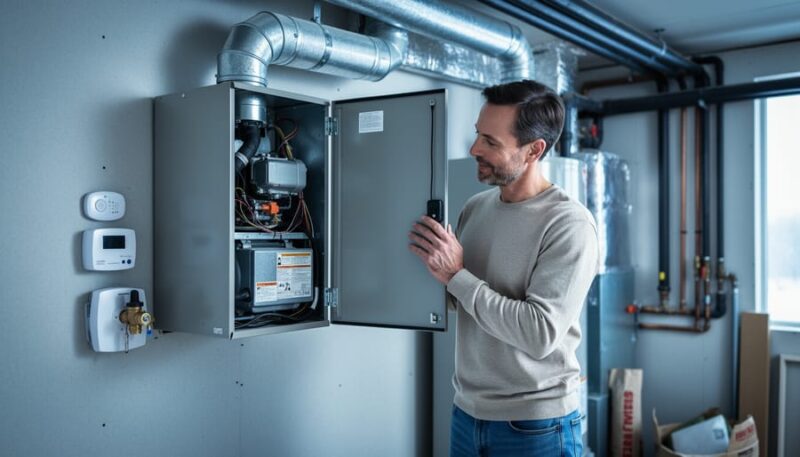
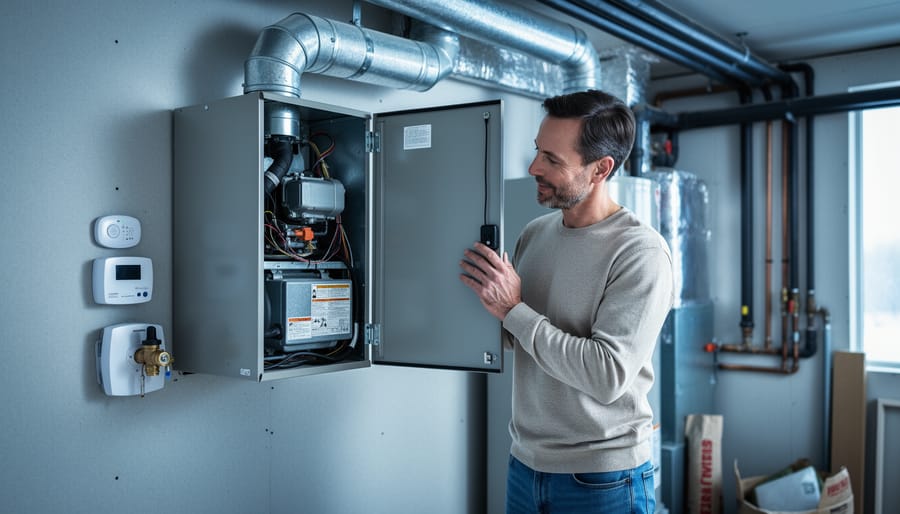
Canada’s home energy efficiency climate policy in 2026 centers on accelerating residential retrofits through federal and provincial incentive programs, mandatory energy labeling for homes, and updated building codes that push net-zero readiness. If you’re planning upgrades, visit this site to understand inspection needs for dryer vent systems before beginning work. These policies aim to reduce household emissions by 30 to 40 percent over the next decade while lowering energy bills and improving indoor comfort. For homeowners, this means navigating a growing suite of rebates, grants, and low-interest financing options, but it also raises critical questions about upgrade safety, contractor qualifications, and the practical challenges of older housing stock.
The push for energy efficiency isn’t abstract. Canadians back climate action in large numbers, and residential buildings account for roughly 13 percent of national greenhouse gas emissions. Retrofitting these homes, from better insulation and heat pumps to efficient ventilation systems, offers one of the fastest pathways to meaningful carbon reductions. However, success depends on execution. Poorly installed upgrades can introduce moisture problems, ventilation risks, or even fire hazards. For example, dryer vent systems often go overlooked during renovations and require proper inspection before sealing walls or changing ductwork.
This article breaks down the current policy framework, identifies which programs deliver the strongest returns for different home types, and outlines the safety considerations that should guide every retrofit decision. The goal is to help you participate confidently in Canada’s climate transition while protecting your household.
The Policy Shift: From Efficiency Alone to Integrated Safety Standards
Until recently, Canadian home energy efficiency policies chased a single target: reducing greenhouse gas emissions through better insulation, upgraded windows, and more efficient heating systems. Performance metrics focused exclusively on kilowatt-hours saved and carbon footprints reduced, while safety considerations remained an afterthought handled separately by building codes and provincial regulations.
That narrow approach changed dramatically between 2023 and 2025 as both federal and provincial governments recognized a critical gap. High-efficiency retrofits were inadvertently creating new hazards, tightly sealed homes trapping indoor pollutants, hastily installed heat pumps overloading outdated electrical panels, and aggressive insulation blocking essential ventilation pathways. The policy framework needed to catch up with the physical realities homeowners faced.
This shift represents a fundamental reframing of what “climate-ready” homes actually mean. New federal guidelines now require certified energy advisors to evaluate electrical system capacity, combustion safety, and ventilation adequacy as part of every home energy assessment. Provinces like British Columbia and Ontario have gone further, updating their building codes to mandate heat recovery ventilators in homes achieving certain airtightness thresholds, directly linking energy performance targets to air quality protections.
The 2025 National Building Code revisions embed this dual mandate into construction standards nationwide. New provisions require mechanical ventilation calculations that account for both energy efficiency and indoor air quality, specify minimum fresh air exchange rates for sealed homes, and mandate carbon monoxide detectors in any dwelling with combustion appliances or attached garages. These aren’t separate safety add-ons; they’re integrated requirements that builders and renovators must meet simultaneously.
Provincial retrofit programs have adapted accordingly. Quebec’s Rénoclimat now pairs energy rebates with mandatory electrical safety inspections for homes adding heat pumps. Alberta’s residential efficiency initiative requires radon testing before approving grants for basement insulation. These regulatory changes acknowledge what earlier policies missed: a home that saves energy but compromises occupant health or safety hasn’t actually succeeded. The new standard demands both outcomes together, every time.
Federal Programs Linking Climate Goals to Home Safety
Canada Greener Homes Initiative: Safety-First Retrofits
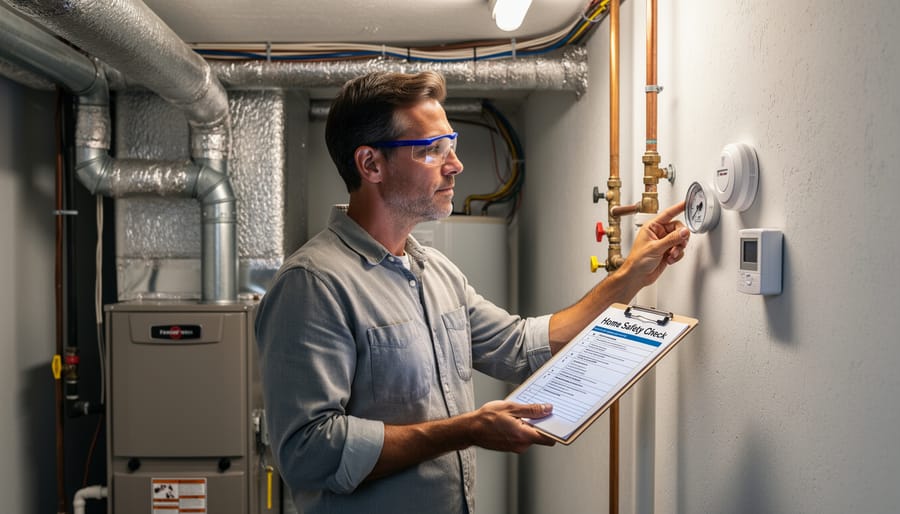
The Canada Greener Homes Initiative represents a deliberate integration of safety protocols into climate action, departing from earlier programs that treated efficiency as a standalone objective. Every participating household receives a pre-retrofit evaluation from a certified energy advisor trained to flag safety hazards alongside thermal deficiencies. These Greener Homes assessment safety checks examine electrical panels for capacity and code violations, test combustion appliances for carbon monoxide leakage, and measure indoor air quality in sealed spaces. If advisors identify safety risks, homeowners receive detailed recommendations that must be addressed before certain efficiency upgrades qualify for funding.
The grant structure explicitly rewards bundled improvements. A homeowner replacing a furnace while upgrading their electrical panel to accommodate future electrification receives higher rebates than someone tackling heating alone. Maximum grants reach $5,000, with an additional $600 for the initial assessment and $600 for post-retrofit verification. This approach leverages Canada climate plan funding to address deferred maintenance and latent hazards that might otherwise remain undetected for years.
Common safety issues identified through program audits include:
- Undersized electrical panels (60-100 amp services insufficient for modern heat pumps)
- Inadequate combustion air supply for gas furnaces and water heaters in tightened building envelopes
- Asbestos-wrapped ductwork requiring abatement before insulation work
- Knob-and-tube wiring in attics scheduled for insulation upgrades
- Missing or expired carbon monoxide detectors in homes with fossil fuel appliances
- Blocked or disconnected mechanical ventilation in previously weatherized homes
The program’s insistence on certified advisors distinguishes it from rebate schemes that accept contractor invoices without independent verification. Advisors operate under Natural Resources Canada oversight and must complete standardized training covering both energy modelling and building science safety principles. This gatekeeping function protects homeowners from contractors who might prioritize speed over thoroughness, particularly during periods of high retrofit demand when installation backlogs create pressure to cut corners.
Heat Pump Transition and Electrical Safety Requirements
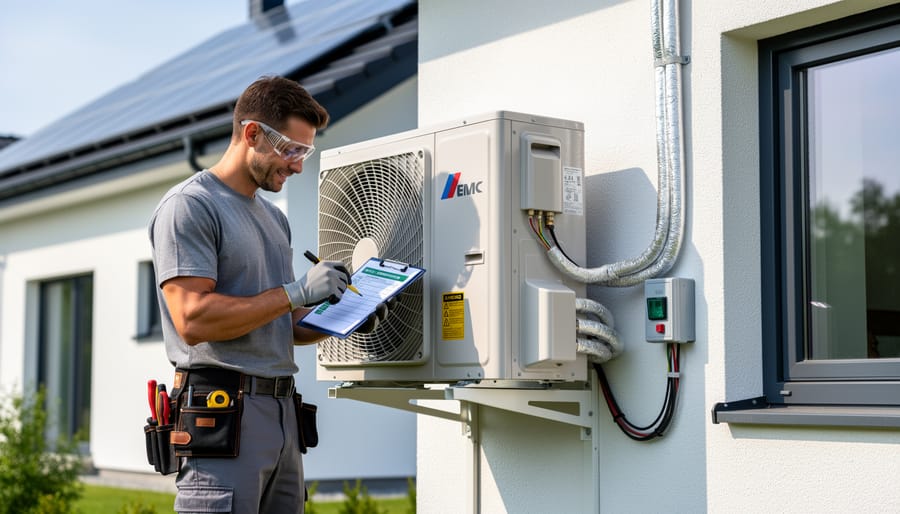
Canada’s push toward residential heat pump adoption, central to federal Net-Zero 2050 targets, has triggered a cascade of electrical safety requirements that many homeowners discover only after committing to installation. While heat pumps offer substantial carbon reductions and efficiency gains, their electrical demands frequently exceed what existing home panels can safely deliver.
Most Canadian homes built before 2000 operate on 100-amp electrical service, adequate for traditional gas furnaces drawing minimal power. Cold-climate heat pumps, however, commonly require 40 to 60 amps during peak operation. Provincial electrical codes now mandate panel capacity assessments before heat pump installation, with upgrades to 200-amp service becoming standard practice. These upgrades aren’t optional add-ons but regulatory necessities under the Canadian Electrical Code’s 2021 amendments, which explicitly address electrification loads.
The safety concern extends beyond simple capacity. Overloaded panels generate excessive heat, degrading breaker contacts and wire insulation over time. Technical Standards and Safety Authority data from Ontario shows electrical fires linked to insufficient service capacity increased 18 percent between 2020 and 2024, coinciding with the heat pump adoption surge. Recognizing this pattern, Natural Resources Canada now requires pre-installation electrical safety evaluations for all Greener Homes grant recipients pursuing heat pump upgrades.
Fire prevention standards have tightened accordingly. Installation contractors must verify proper wire gauge for circuit runs, ensure adequate clearances around outdoor units, and install arc-fault circuit interrupters on heat pump circuits, requirements enforced through provincial inspection regimes. Yet industry observers note a troubling gap: installer certification requirements vary widely across provinces, and the rush to meet federal electrification timelines has flooded the market with inadequately trained technicians.
British Columbia responded by mandating heat pump-specific training modules for electrical contractors, a model other provinces are examining. The approach acknowledges that climate policy implementation speed cannot outpace safety infrastructure development. Homeowners should verify that installers hold current provincial electrical licenses and request documentation of panel load calculations before any work begins.
Provincial Approaches: Where Climate and Safety Converge
Canada’s provinces have emerged as policy laboratories, each developing distinct approaches that weave home safety protections into their climate action frameworks. Rather than treating energy efficiency and safety as separate mandates, leading provinces have recognized that the most effective climate policies protect both the environment and the people living in retrofitted homes.
British Columbia has pioneered an integrated model through CleanBC initiatives that require mandatory safety inspections before and after major energy retrofits. The province’s Better Homes program conditions rebates on documented electrical system capacity assessments and combustion appliance safety testing. This BC renewable collaboration between utilities, safety inspectors, and climate agencies has produced a comprehensive checklist that retrofit contractors must complete, ensuring homes meet updated fire codes and ventilation standards before receiving provincial incentives. BC’s approach treats safety infrastructure as foundational to decarbonization, not an afterthought.
Ontario has embedded safety protocols directly into its energy efficiency financing mechanisms. Through the Home Efficiency Rebate Plus program, homeowners accessing loans for deep energy retrofits must include certified electrical panel upgrades if their existing service cannot safely support electrification equipment. The province mandates that all participating contractors hold both energy advisor certifications and electrical or HVAC licensing, closing loopholes that previously allowed unqualified installers to handle complex safety-critical work. Ontario’s model recognizes that rushed electrification without proper electrical infrastructure creates fire risks that undermine climate goals.
| Province | Key Safety-Efficiency Integration | Unique Policy Feature |
|---|---|---|
| British Columbia | Mandatory pre/post-retrofit safety inspections | Collaborative utility-inspector-climate agency checklist |
| Ontario | Required electrical panel upgrades for electrification loans | Dual certification requirement for contractors |
| Quebec | Ventilation audits for sealed-home retrofits | Radon testing bundled with insulation incentives |
| Alberta | Carbon monoxide monitoring mandate during heating transitions | Rural safety pilot addressing propane-to-electric conversions |
Quebec has taken a distinctive approach by addressing indoor air quality risks that accompany high-performance building envelopes. The province’s Rénoclimat program requires ventilation system audits whenever wall or attic insulation work significantly increases home airtightness. Quebec also bundles radon testing with insulation rebates in high-risk geological zones, recognizing that sealing homes without adequate ventilation can concentrate this carcinogenic gas. This preventive stance reflects collaboration between public health officials and climate program designers.
Alberta presents an interesting case where climate skepticism has paradoxically led to safety-focused program design. The province’s residential efficiency initiatives emphasize immediate homeowner benefits, including enhanced safety, rather than abstract emissions reductions. Alberta’s programs require carbon monoxide detector installation and combustion safety verification during any heating system work, and a rural pilot specifically addresses safety concerns in communities transitioning from propane to electric heating. By leading with safety and reliability, Alberta has built trust in climate programs among constituencies otherwise resistant to environmental policy.
These provincial variations demonstrate that effective integration of safety and climate goals requires regional adaptation, collaborative governance structures, and recognition that protecting occupants strengthens rather than competes with decarbonization objectives.
The Hidden Safety Risks of Energy Efficiency: What Policies Are Addressing
Air Quality and Ventilation in Super-Sealed Homes

Tightly sealed homes built or retrofitted to achieve maximum energy efficiency create an unexpected safety challenge: they trap indoor air pollutants that older, leakier homes naturally expelled. When envelope improvements reduce air changes per hour below healthy thresholds, concentrations of volatile organic compounds from furnishings and cleaning products, carbon dioxide from occupants, moisture leading to mould growth, and radon gas seeping from soil can accumulate to dangerous levels. Canadian building scientists have documented cases where aggressive air sealing without corresponding ventilation upgrades produced indoor air quality worse than busy urban intersections.
Current federal climate policies now mandate balanced ventilation systems, typically heat recovery ventilators (HRVs) or energy recovery ventilators (ERVs), as requirements rather than recommendations in retrofit programs. The 2020 National Building Code amendments require continuous mechanical ventilation in homes achieving certain airtightness levels, with specific minimum airflow rates based on dwelling size. Provincial programs like Ontario’s energy efficiency grants withhold portions of funding until proper ventilation commissioning tests confirm adequate fresh air delivery. These provisions align with the broader clean air campaign emphasizing that environmental protection begins inside Canadian homes, not just outdoors.
Radon, a colourless, odourless radioactive gas and the leading cause of lung cancer among non-smokers, poses particular concern in super-sealed basements. New policies require radon testing before and after major envelope work, with mitigation systems mandated when concentrations exceed Health Canada’s guideline of 200 Bq/m³.
Carbon Monoxide Risks During Heating System Transitions
When homeowners transition from natural gas, oil, or propane heating systems to electric heat pumps, a cornerstone of federal climate policy, carbon monoxide (CO) risks demand careful attention. Incomplete decommissioning of fossil fuel equipment creates dangerous scenarios where disconnected but not properly capped gas lines or abandoned chimneys become pathways for CO infiltration.
Recent policy updates require certified technicians to follow strict decommissioning protocols. Gas lines must be physically capped at the meter, not just shut off at valves. Oil tanks require proper purging and removal or deactivation certified by provincial authorities. Chimneys serving decommissioned equipment need sealing to prevent backdrafting from neighbouring units in multi-family buildings or downdrafts that could reintroduce combustion gases if any fossil fuel appliances remain.
Provincial codes now mandate final safety inspections before heating system transitions are considered complete. In Ontario, Technical Standards and Safety Authority guidelines require documentation of all gas appliance removal and line capping. British Columbia mandates CO alarm upgrades meeting current standards before any heating system replacement qualifies for climate program rebates.
For homes maintaining backup fossil fuel systems during phased transitions, policies require annual combustion safety testing and enhanced CO monitoring. Alberta’s energy efficiency programs specifically fund combination smoke-CO detectors as part of heating system retrofit packages, recognizing that transition periods carry elevated risk.
Homeowners should verify that contractors hold proper gas fitter certification and understand that the cheapest bid may skip crucial decommissioning steps that protect families from invisible, odourless CO threats.
What Homeowners Need to Know: Navigating Safety in Climate Programs
Canadian homeowners face a unique moment: government climate initiatives now provide unprecedented financial support for home upgrades, but navigating these programs safely requires understanding both the opportunities and the protections built into current policies.
Start with a Safety-Integrated Assessment
Before accepting any retrofit work, insist on a comprehensive home energy assessment from a certified energy advisor registered with Natural Resources Canada. These assessments now include mandatory safety checks for electrical systems, ventilation adequacy, and combustion appliance conditions. The advisor must flag safety concerns before recommending efficiency upgrades, giving you a baseline understanding of what needs addressing. This isn’t optional under programs like Canada Greener Homes, it’s a policy requirement designed to protect you.
Verify Contractor Credentials and Policy Compliance
Not all contractors understand the safety requirements embedded in current climate programs. To protect yourself:
- Confirm the contractor holds relevant provincial trade certifications (electrical, HVAC, gas fitting as applicable) and ask for proof of liability insurance covering both efficiency and safety work.
- Request a written scope of work that explicitly addresses how the project meets both energy performance targets and applicable building code safety provisions, including electrical capacity upgrades if installing heat pumps.
- Check whether the contractor participates in recognized quality assurance programs like the Home Energy Retrofit Accelerator or provincial equivalents that mandate safety compliance.
- Ask how they will ensure proper ventilation in newly sealed spaces and what air quality measures they recommend post-retrofit.
- Verify they will obtain required permits and arrange mandated inspections, shortcuts here compromise both safety and your eligibility for rebates.
Don’t hesitate to get multiple quotes comparing not just price but safety provisions. Contractors rushing installations to meet program deadlines may skip critical safety steps.
Understand Your Policy Protections
Federal and provincial programs include consumer safeguards. If contractors fail to meet safety standards during program-funded work, you have recourse through program administrators. Document everything: assessment reports, quotes, contracts, and inspection results. These records protect you if disputes arise and prove compliance when claiming incentives.
Provincial programs often include complaint mechanisms and contractor removal provisions for safety violations. Know your rights before signing contracts.
Access Available Resources
Natural Resources Canada maintains updated lists of certified advisors and participating contractors. Provincial energy agencies offer homeowner hotlines to answer questions about combining climate programs with safety requirements. Many municipalities now provide free consultations connecting climate initiatives with building safety resources.
Taking these ways to prevent global warming seriously means ensuring your home improvements protect both the planet and your family. Current policies provide the framework, your diligence ensures it works as intended.
Future Directions: Strengthening the Safety-Climate Connection
The convergence of home safety and climate policy in Canada is accelerating, with several promising developments on the horizon. Natural Resources Canada has signaled intentions to expand mandatory safety audits beyond existing retrofit programs, potentially requiring comprehensive safety assessments for all homes participating in any federal climate initiative by 2027. This represents a significant shift from voluntary to compulsory safety integration.
Provincial building code reforms are gaining momentum. British Columbia’s updated energy step code, expected for full implementation in 2027, will mandate integrated ventilation-air quality systems in all new construction, eliminating the current option to meet efficiency targets without addressing indoor environmental quality. Ontario’s Ministry of Municipal Affairs is consulting on similar provisions that would tie development approval to demonstrated safety-climate integration.
Safety experts and environmental advocates are pushing for standardized national credentials. The Heating, Refrigeration and Air Conditioning Institute of Canada is developing a specialized certification for technicians performing climate-motivated retrofits, combining energy efficiency training with advanced safety protocols. Dr. Jennifer Wallace of the Canadian Housing and Renewal Association argues that “we need installers who understand both carbon reduction and occupant protection equally, current training often prioritizes one over the other.”
Collaborative frameworks are emerging between traditionally separate sectors. The Canada Green Building Council and the Canadian Standards Association launched a joint working group in early 2026 to develop unified performance metrics that weight safety outcomes equally with energy savings. Insurance industry participation in policy development is also expanding, with major insurers now contributing data on retrofit-related claims to inform safer program design.
Financial mechanisms are evolving too. Quebec’s proposed Climate-Safe Home Credit would provide enhanced rebates for projects meeting combined efficiency-safety benchmarks, rather than efficiency alone. Federal officials have indicated interest in similar tiered incentive structures that reward comprehensive approaches.
The most transformative prospect involves real-time monitoring requirements. Proposed regulations under discussion would mandate smart sensors in homes receiving substantial climate subsidies, tracking both energy performance and safety indicators like carbon monoxide levels and ventilation effectiveness. While raising privacy considerations, such systems could provide unprecedented data to refine policies based on actual home performance rather than modeling assumptions.
These trends suggest Canada is moving beyond treating safety as an add-on to climate policy, instead building integrated frameworks where both objectives shape program design from the ground up.
Canada’s climate policies are proving that protecting the planet and protecting people don’t require trade-offs. The federal and provincial programs examined throughout this article demonstrate a fundamental shift: energy efficiency and home safety now advance together as integrated priorities, not separate agendas competing for attention and resources.
This evolution matters for every Canadian homeowner. When you participate in retrofit programs that mandate safety audits, install heat pumps through certified installers following electrical codes, or benefit from ventilation standards designed for tightly sealed homes, you’re experiencing climate policy that serves your family’s immediate wellbeing while contributing to national emissions targets. The dual mandate works because it addresses what homeowners actually need: homes that are both sustainable and safe.
The path forward requires continued collaboration. Homeowners should actively engage with programs that explicitly prioritize safety alongside efficiency, asking questions about ventilation, electrical capacity, and combustion safety during any retrofit. Demand contractors who understand both dimensions. Meanwhile, policymakers must strengthen integrated standards, ensuring that future climate initiatives build on the safety-first foundation established by programs like Canada Greener Homes.
We’ve reached a turning point where climate action and home safety reinforce rather than compete with each other. This approach represents not just better policy, but a more honest recognition of what truly sustainable housing means: protecting both the environment we share and the spaces where Canadians live, work, and raise families.
No Comments